The 21-day gamefowl keep: a husbandry-first guide
Vet check, feeding from the label, a steady routine and rest, with no invented doses.
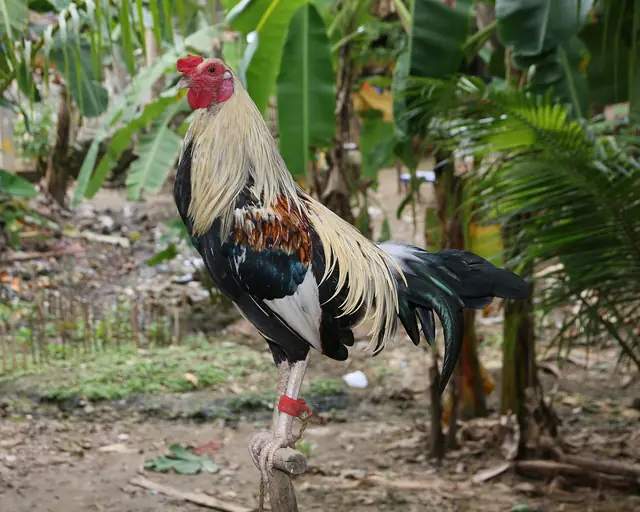
A 21-day keep is the traditional three-week routine handlers use to bring a bird into peak health before a target date. This guide keeps the useful structure (health check, steady routine, rest) and leaves out what can’t be backed up: home-made injection schedules, fixed doses and “secret” supplement stacks.
Why 21 days?
Three weeks is a convention, not a scientific standard. It leaves time to sort out health problems found at the start, settle the bird into a consistent routine, and rest it before the date. Many handlers use shorter or longer keeps. What matters is a healthy bird, consistent care and good records.
21-day keep planner
Enter the date the bird has to be ready (a show, a sale, transport, or a derby at a licensed cockpit). The planner counts back 21 days and lays out the general husbandry milestones. It doesn't schedule any medicine or supplement. Those come from the label and your veterinarian.
- Days 1–7: health check and baseline. Vet check, parasite control chosen by your vet, daily weight at the same hour, clean pens.
- Days 8–14: steady routine. Consistent feeding from a labelled feed, gradual handling and exercise, watch droppings and weight.
- Days 15–21: taper and rest. Lighter work, calm housing, transport papers ready.
Shipping gamefowl within the Philippines needs Newcastle disease vaccination at least two weeks before shipment (DA Administrative Order No. 5, 2019; BAI counts it valid for three months). Plan any vaccination with your vet well before the keep starts.
Week 1 (days 1–7): health check and baseline
- Vet check first. A bird that is sick, lame, underweight or moulting heavily shouldn’t start a keep.
- Parasites. Internal worms and external lice or mites are common. Ask your veterinarian to choose the product and timing, ideally after a faecal test, and follow the label, including any withdrawal period. Don’t stack several dewormers or “flushing” products.
- Baseline weight. Weigh at the same hour each morning on an empty crop and write it down. A steady weight is a better health signal than any single reading.
- Clean housing. Clean and disinfect the pen, give dry bedding, shade and ventilation. Keep the bird away from newly arrived or unvaccinated birds.
Week 2 (days 8–14): steady routine
- Feed from the label. Use a complete commercial feed and follow the bag’s feeding rate. For example, UNAHCO’s published direction for Thunderbird Enertone, a maintenance feed for birds 6 months and up, is 40 g in the morning and 40 g in the afternoon (UNAHCO, checked 19 Nov 2026). Make changes gradually.
- Water. Clean, cool water at all times. In Philippine heat, dehydration and heat stress are real risks: panting with wings held away from the body is a warning sign.
- Exercise and handling. Build up gradually, with rest days, and stop if the bird is lame or distressed.
- Watch droppings and appetite. Note any change and call your vet if it persists.
Week 3 (days 15–21): taper and rest
- Reduce workload, keep housing quiet, shaded and well ventilated, and avoid sudden feed changes.
- Prepare transport early: a ventilated carrier, water, and the papers you need.
- Shipping rule: moving gamefowl within the Philippines requires Newcastle disease vaccination at least two weeks before shipment (DA Administrative Order No. 5, 2019). The Bureau of Animal Industry treats it as valid for three months (BAI Memorandum Circular No. 35, 2020). A veterinary health certificate is also needed.
Vitamins, injectables and “conditioning” products
Popular keep guides list B-complex injectables, tablets and tonics with fixed doses on fixed days. We don’t publish those schedules. Here is why:
- Some of these products are prescription-only. Belamyl’s label, for example, says it must not be dispensed without a licensed veterinarian’s prescription.
- A healthy bird on a complete feed usually doesn’t need extra vitamins. Injections carry real risks (wrong site, infection, overdose).
- What a product actually contains is often different from what keep guides claim. Voltplex KQ, for instance, is registered as creatine + levocarnitine + vitamin E + vitamin B1, not the ingredients some blogs list.
Read what each product’s label and registration actually say in our agrivet product notes, then decide with your veterinarian.
Welfare checklist
- Shade, ventilation and water every day, especially in the hot months (roughly March to May).
- No exercise when the bird is lame, injured or unwell.
- Gentle handling and a calm environment.
- Records of weight, feed, treatments (with product, lot and the vet who advised it) and vaccinations.
For traditional conditioning terms and how they are used, see gamefowl conditioning on SabongWiki.ph and the traditional Philippine sabong rules and pit terminology on SabongWiki.ph. Derby dates at licensed cockpits are listed on the SabongWiki.ph derby schedule.
Frequently asked questions
Why do handlers use a 21-day keep?
Three weeks is a common traditional length for a pre-event conditioning routine. It isn't a scientific standard; it gives time for a health check, a steady routine and a rest period before the target date.
What dose of Belamyl or other B-vitamins should I give?
We don't publish doses. Belamyl's label says it must be dispensed only with a licensed veterinarian's prescription. Follow the label and your veterinarian's instructions for any injectable.
When should I deworm before a keep?
Ask your veterinarian to choose the product and timing, ideally based on a faecal test. Deworm well before the keep so the bird has recovered, and observe any withdrawal period on the label.
- UNAHCO, Thunderbird Enertone product page: unahco.com
- Department of Agriculture, Administrative Order No. 5, s. 2019, and Bureau of Animal Industry, Memorandum Circular No. 35, s. 2020 (ND vaccination of gamefowl for local transport), as summarised in BAI’s issuance: bai.gov.ph
- FDA Philippines verification portal (veterinary drug registrations VR-3327 Belamyl, VR-3633 Voltplex KQ): verification.fda.gov.ph
- Merck Veterinary Manual, Vaccination Programs in Poultry: merckvetmanual.com