Automatic egg incubators for gamefowl: a buyer’s checklist (Philippines)
What to check before you buy, the settings that matter, and how to plan for brownouts.
An automatic incubator lets you set more eggs from your best hens and hatch them on a schedule. We haven’t lab-tested incubators, so this isn’t a ranking. It’s a checklist built from extension guides, telling you what to check before buying and how to run any model well, including through Philippine brownouts.
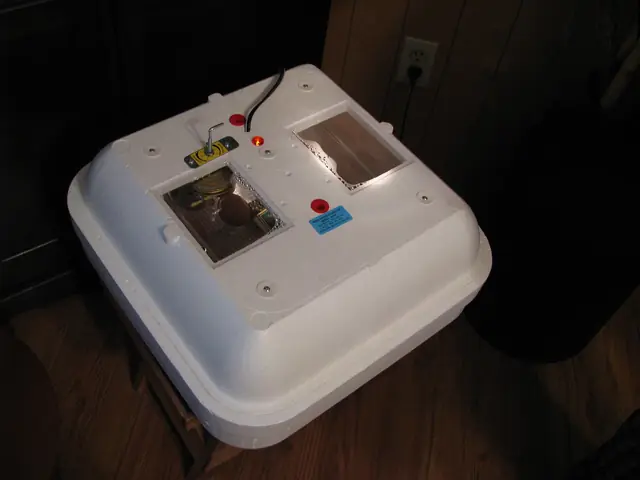
The settings that matter
| Stage | Temperature | Humidity | Turning |
|---|---|---|---|
| Egg storage before setting (up to about 7 days) | About 60 °F (16 °C) | About 75% | Small end down. Turn daily if held longer than 3–4 days |
| Days 1–18 (forced-air incubator) | 99.5–100 °F (37.5–37.8 °C) | 55–60% | Several times a day (automatic turner) |
| Days 19–21 (hatch) | About 1 °F lower is acceptable | Raise to at least 65%, around 70% once chicks pip | Stop turning at day 18 |
Sources: University of Maryland Extension FS-1114 (99.5 °F, 55–60%, stop turning at day 18, about 70% at hatch) and Mississippi State University Extension P1182 (storage near 60 °F and 75% humidity; 100 °F forced-air and 102 °F still-air; at least 65% for the last 3 days). The two guides differ slightly, so follow your incubator maker’s manual. Still-air incubators (no fan) run about 2–3 °F warmer, measured at the top of the eggs.
Candling
University of Maryland Extension suggests candling after about 10 days with a bright light in a dark room. Clear (infertile) eggs and eggs with dead embryos should be removed so they don’t spoil. Handle eggs quickly and gently and return them to the incubator.
What to check before you buy
- Forced air (a fan). It keeps temperature even across trays and is the easier choice for more than one layer of eggs.
- Automatic turning that you can switch off for the last three days, or a separate hatcher basket.
- Accurate thermostat and hygrometer. Check them against a separate calibrated thermometer before setting eggs.
- Humidity control: water channels you can fill from outside, or an automatic humidifier.
- Power backup. Look for 12 V DC input or a model that can run from a battery and inverter, plus an alarm for power or temperature faults.
- Easy cleaning: removable trays and smooth plastic surfaces that can be cleaned and disinfected between hatches.
- Capacity that suits your pens. A machine you can fill from your own hens within about a week avoids storing eggs too long.
- Local support: spare parts, a warranty and a manual in a language you can read.
Where to buy: coming soon We’ll add specific models once we can check their specifications and live prices.
Planning for brownouts
A long power cut can chill eggs, and the last days of incubation are the most sensitive. Mississippi State Extension notes that a few hours at 90 °F slows development, while temperatures that are too high kill embryos quickly.
- Keep the incubator in a room with a stable temperature, away from direct sun and walls that heat up.
- During a short outage, keep the lid closed to hold heat and humidity.
- For longer outages, a 12 V supply (battery with inverter, or a model with DC input) keeps the heater and fan running. Size the battery to the incubator’s rated wattage.
- Record the outage, because it helps explain a late or poor hatch.
After the hatch
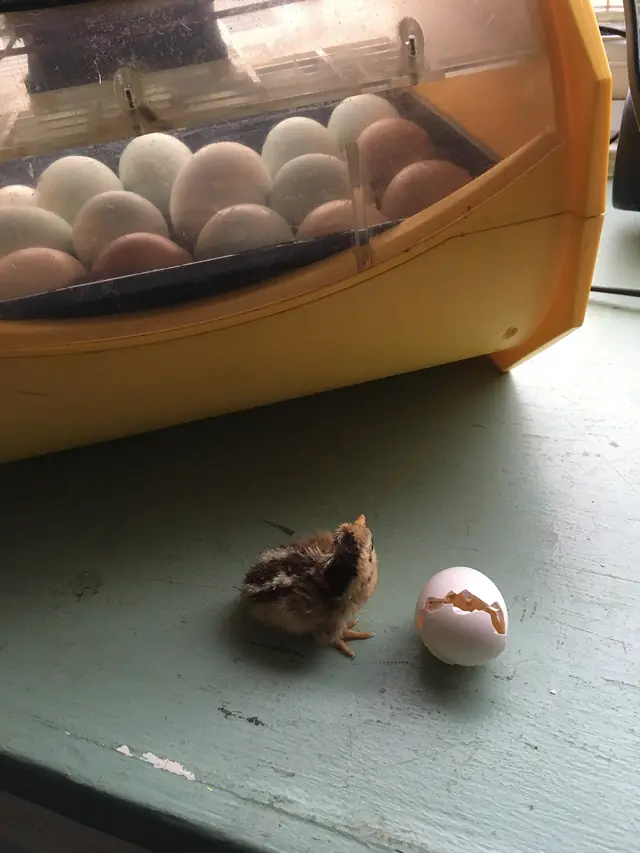
Move dry chicks to a brooder that is already warm, band them if you’re keeping pedigrees, and start the vaccination plan agreed with your vet. Our brooding, wing-banding and vaccination guide covers the first weeks. For derby birth-month rules and terms, see the SabongWiki.ph rulebook and glossary.
Frequently asked questions
What temperature and humidity should an incubator run at for chicken eggs?
University of Maryland Extension gives 99.5 °F (37.5 °C) and 55–60% humidity for a forced-air incubator, with turning stopped at day 18 and humidity raised for hatching. Always check the incubator maker's own manual.
Why do incubators need battery backup in the Philippines?
Power interruptions can chill eggs, especially late in incubation. A model that runs on 12 V DC or a separate backup supply keeps the heater and fan going during a brownout.
- University of Maryland Extension, “Hatching Eggs at Home” (FS-1114): extension.umd.edu
- Mississippi State University Extension, “Hatching Quality Chicks” (P1182): extension.msstate.edu